Field Technology & Humanitarian Response · Field Technology · Country: Mali
WFP uses automated duplicate checks while keeping aid decisions with staff
The Enterprise Deduplication Service flags potentially duplicated registrations for human review, with audits and privacy assessments built into the programme.
By NGO Tech News desk5 min read
MaliBeneficiary dataDeduplicationHuman oversight
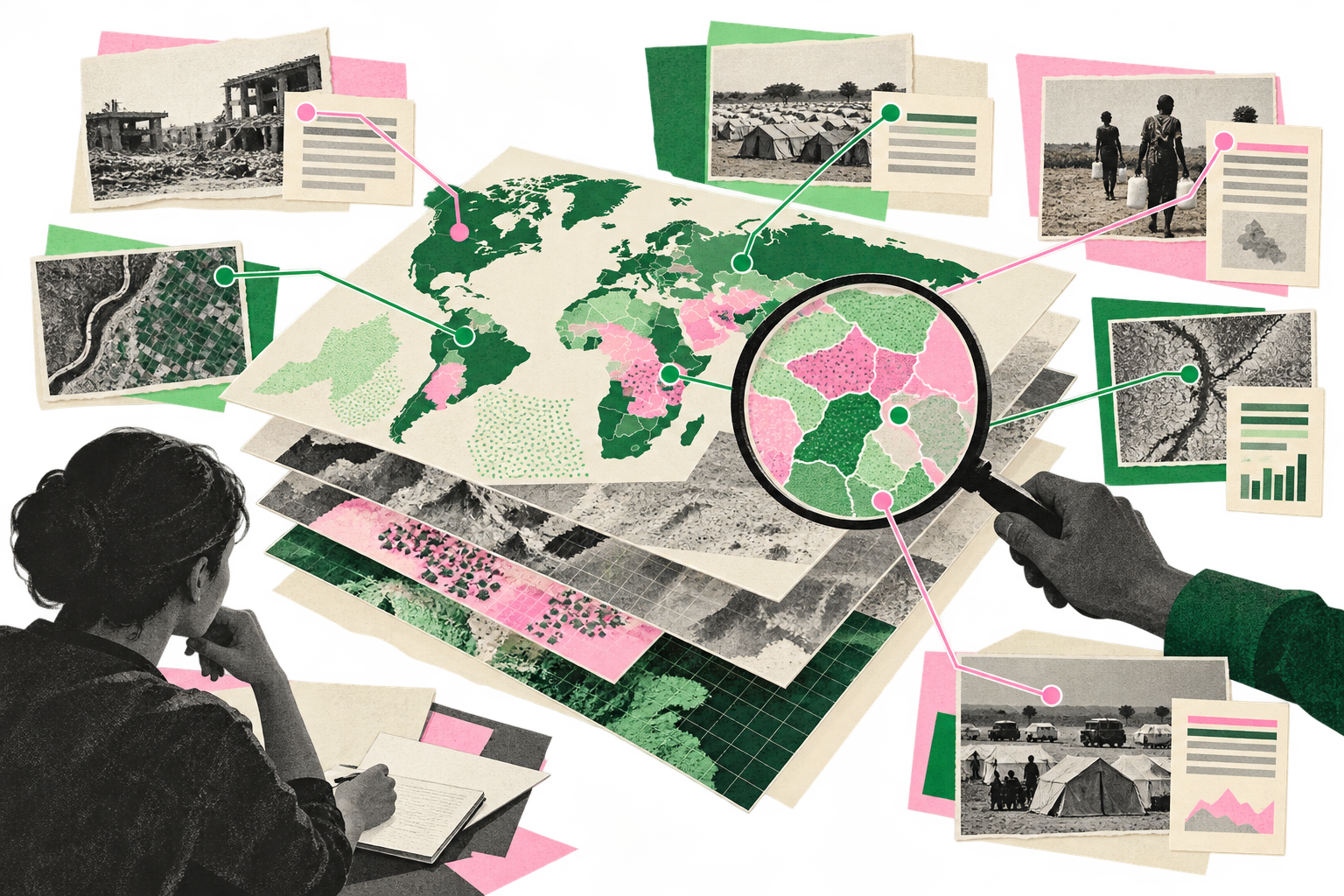
Editorial illustration of automated duplicate detection with a human decision checkpoint.
The World Food Programme has described its Enterprise Deduplication Service, which analyses registration data to flag possible duplicate beneficiary records. A recent account focuses on use in Mali and broader organisational deployment.
The system flags rather than decides
The service compares information including names and photos and may incorporate further biometric signals in future. WFP says staff review flagged cases and retain the final decision.
Governance accompanies the tool
WFP reports external audits and data-protection assessments. The public article does not publish full false-positive and false-negative rates, so readers cannot independently judge accuracy across populations.
Safeguards for exclusion risk
Humanitarian programmes should log why a record was flagged, provide a rapid correction or appeal path, avoid assuming identity from similarity alone and measure whether some groups are affected more often.
PRISM has opened its country dashboards and launched a citation-grounded AI analyst. Humanitarian teams should test provenance, freshness, coverage and privacy before using either in operational decisions.