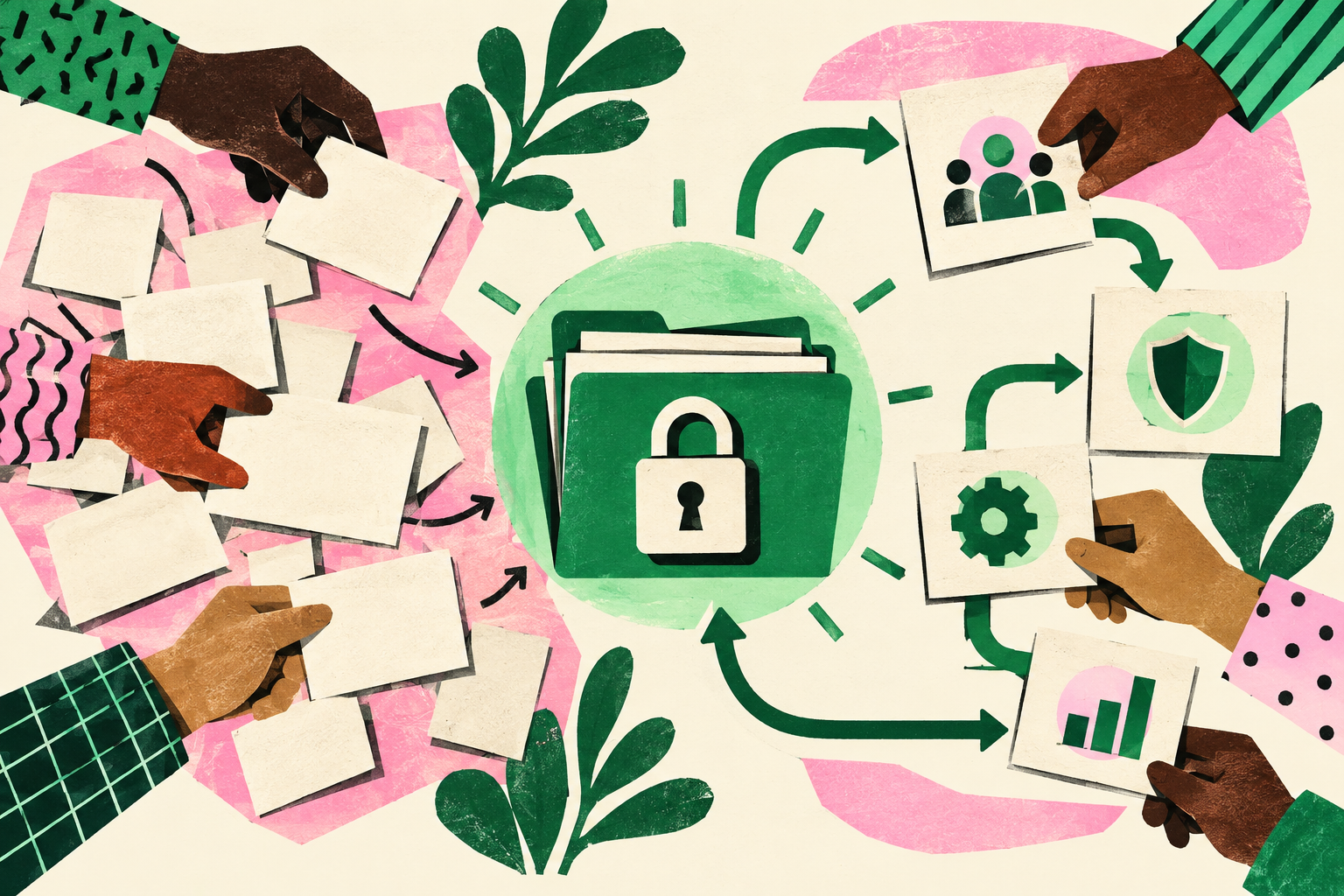
PRISM's v5.0 update opens its country-analysis dashboards without registration and introduces a beta AI analyst for registered users. The platform says its country pages combine severity, funding, displacement, food-security, protection and climate data, while the analyst answers by querying PRISM's datasets and attaching source links and a reproducibility trail. The useful opportunity is faster evidence gathering; the important limitation is that these are platform claims, not an independent performance evaluation.
1. Start with one decision, not an open-ended question
Choose a bounded task such as checking response-plan funding coverage or comparing displacement indicators for one country. Write down the decision the result will inform and the maximum acceptable data age. Avoid prompts that ask the analyst to decide priorities, infer unmet needs or recommend programme action without local evidence. A narrow test makes omissions and source mismatches easier to see.
2. Follow each figure to the issuing source
Open the citation behind every material number and check the source organisation, reporting period, geography and definition. PRISM's methodology says its dashboards draw on more than 45 datasets, including OCHA, ACAPS, IDMC, IOM, UNICEF and other publishers. That breadth does not make the sources interchangeable. Record the upstream URL and retrieval date in any brief your team reuses.
3. Check cadence, coverage and metric type
A live-looking dashboard can combine feeds that update every 15 minutes with quarterly or annual series. PRISM also warns that reported funding is not the same as disbursement, displacement stocks cannot be added to new-displacement flows, and sparse coverage does not prove low need. Before comparing countries or periods, confirm that the indicators use the same definition and refresh cycle.
4. Test the analyst's audit trail
Ask a question whose answer your team can calculate independently from the cited source. Compare the returned number, filters and date with a manual check, then inspect the stated queries. Repeat the test with a deliberately unsupported request and confirm that the system declines rather than fills the gap. PRISM says figures come from read-only data queries and not from model recall, but no independent accuracy results are published on the pages reviewed.
5. Review account data before registering
The country-analysis pages are public, so begin there when possible. Using the analyst requires an account; PRISM's privacy notice says registration can include name, institution, professional role and sign-in records, while analyst threads and briefs are linked to the account until deletion. Do not enter beneficiary data, case details, security-sensitive field information or unpublished partner material into a third-party analysis service without an approved data-flow review.
Keep local evidence in the decision loop
Use PRISM as a route into sources and as a cross-check, not as a single source of operational truth. Reconcile dashboard results with programme records, partner knowledge and direct assessments, especially in under-reported crises. Save the citations and query trail with the decision record, name the staff member who verified them and set a date for rechecking indicators that update on different schedules.
What remains unproven
PRISM documents its architecture, source caveats and AI controls, but the reviewed materials do not provide an independent audit of the analyst, comparative accuracy testing or service-level commitments. The beta label and free-tier limit of ten cited answers per month also make a small, documented pilot more appropriate than immediate dependence in a critical workflow.