UNICEF frames cybersecurity and data governance as child-rights infrastructure
A new UNICEF report argues that weak digital safeguards can expose children to direct harm and calls for secure, accountable systems in low-resource and humanitarian settings.
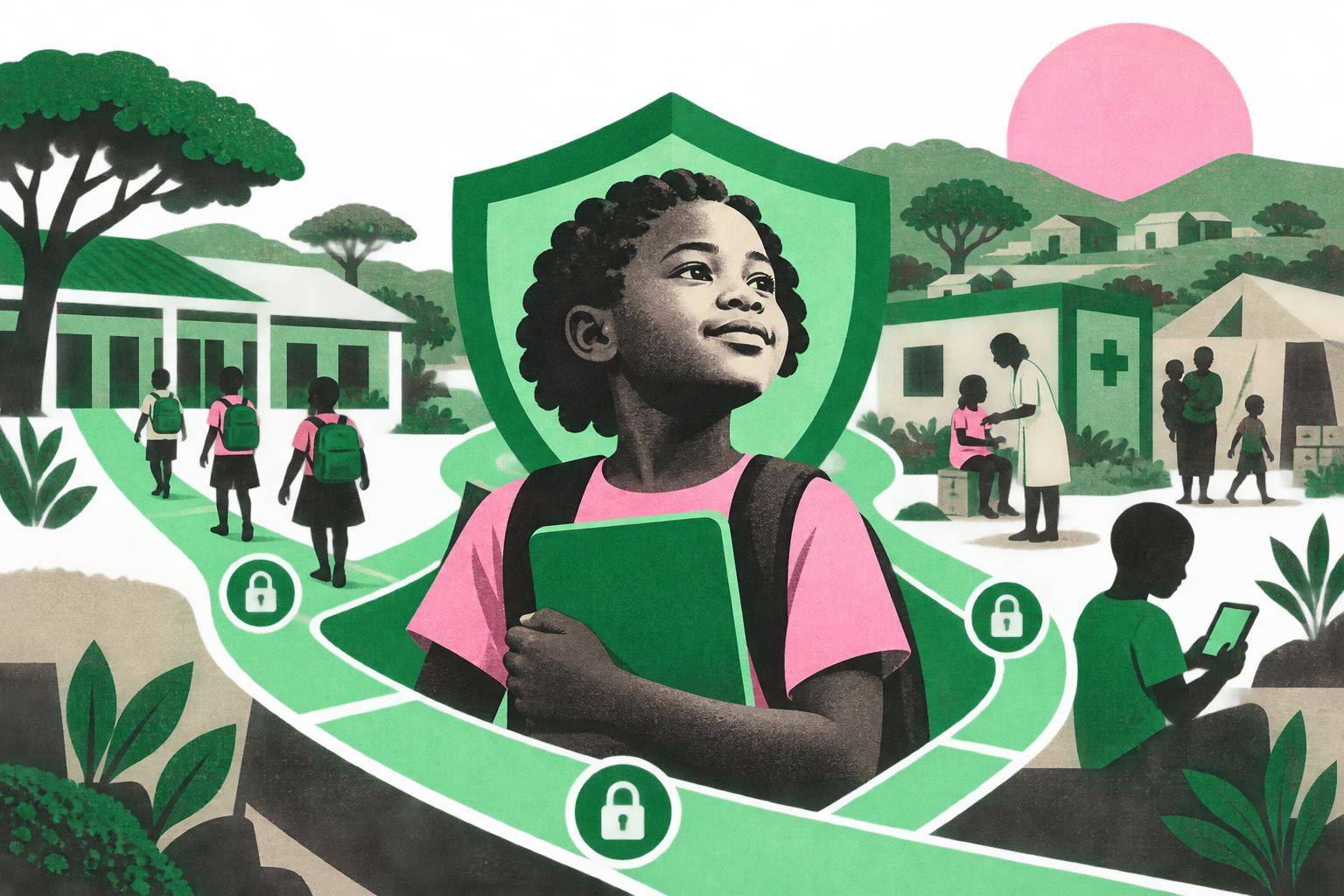
Editorial illustration of cybersecurity as infrastructure for child-focused services.
UNICEF's Office of Innovation has published Building Safer Digital Futures, a report that links cybersecurity and data governance directly to children's rights. It focuses on organisations operating in low-resource and humanitarian contexts.
Digital failures can become rights failures
The report argues that insecure systems can expose children to identity misuse, surveillance, discrimination or interrupted services. That makes baseline controls part of programme design rather than a separate technical layer.
Partnership model
UNICEF presents work with SafeChild as one route to strengthen organisational capacity, governance and secure delivery. The publication describes a developing approach rather than a comparative evaluation of outcomes.
What NGOs should test
Teams should map child data, minimise collection, separate access roles, test recovery and incident routes, review suppliers and include safeguarding staff in technology decisions.