Funding, Procurement & Vendors · Practical Guide · Country: Global
A 30-day scorecard for choosing a fundraising platform
Replace feature bingo with a controlled pilot covering donor experience, staff work, data, cost, risk and exit.
By NGO Tech News desk6 min read
GlobalVendor selectionScorecardPilot
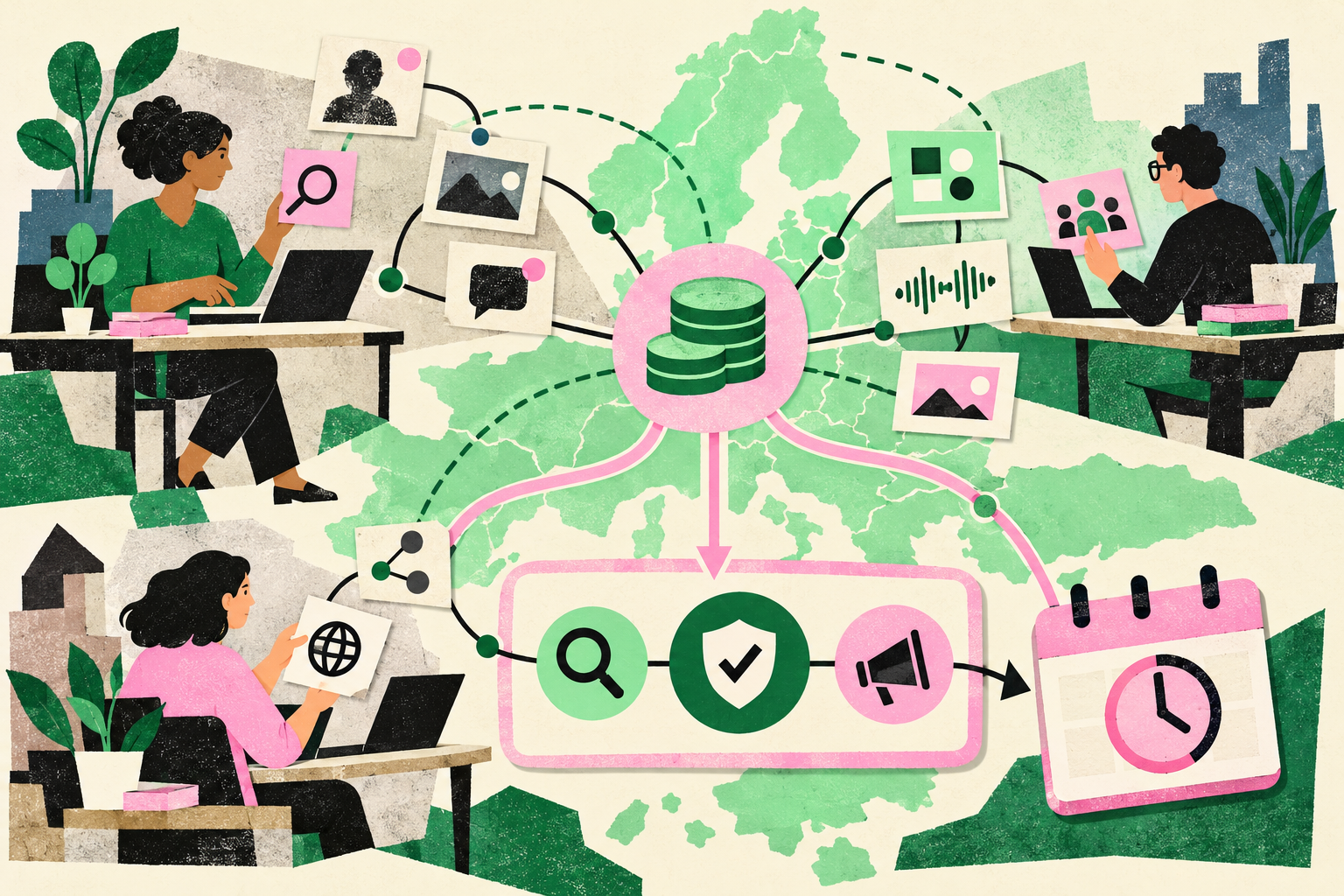
Editorial illustration of a nonprofit running a time-boxed fundraising platform evaluation.
A fundraising platform decision becomes defensible when every finalist performs the same work with the same evidence. Use thirty days to test the product's hardest representative journey, not to collect generic feature demonstrations.
Days one to five: define pass or fail
Choose one donor journey and one staff workflow. Set non-negotiables for countries, payments, accessibility, consent, CRM, accounting, security, data export and budget. Weight donor experience, operations, data, cost, risk and vendor support before scores are known.
Days six to fifteen: build with realistic data
Give each vendor the same anonymised scenario and sample structure. Ask internal staff—not only consultants—to create the form, segment, receipt, reconciliation and report. Record time, support requests, errors and workarounds.
Days sixteen to twenty-four: test failure
Trigger a declined gift, refund, duplicate, consent change, user departure, integration outage and export. Review roles, audit history, accessibility evidence, incident response, subcontractors and service levels. A platform should be assessed on recovery as well as the happy path.
Days twenty-five to thirty: decide and preserve evidence
Calculate three-year cost, check two comparable customer references and document every condition attached to the score. Name the implementation owner and first ninety-day measures. Keep the decision record so future teams know why compromises were accepted.
A new Creative Europe call offers up to €500,000 for cross-border media-literacy projects. Nonprofits need three-country partnerships, co-funding and a credible plan for AI-generated content and disinformation.