Data & Privacy · Privacy · Country: United Kingdom
UK privacy regulator calls for safeguards as smart glasses become less visible
The ICO says wearable cameras and AI can support independence but also weaken meaningful notice and control, making privacy and accessibility design inseparable from public trust.
By NGO Tech News desk5 min read
United KingdomPrivacy by designWearablesAccessibility
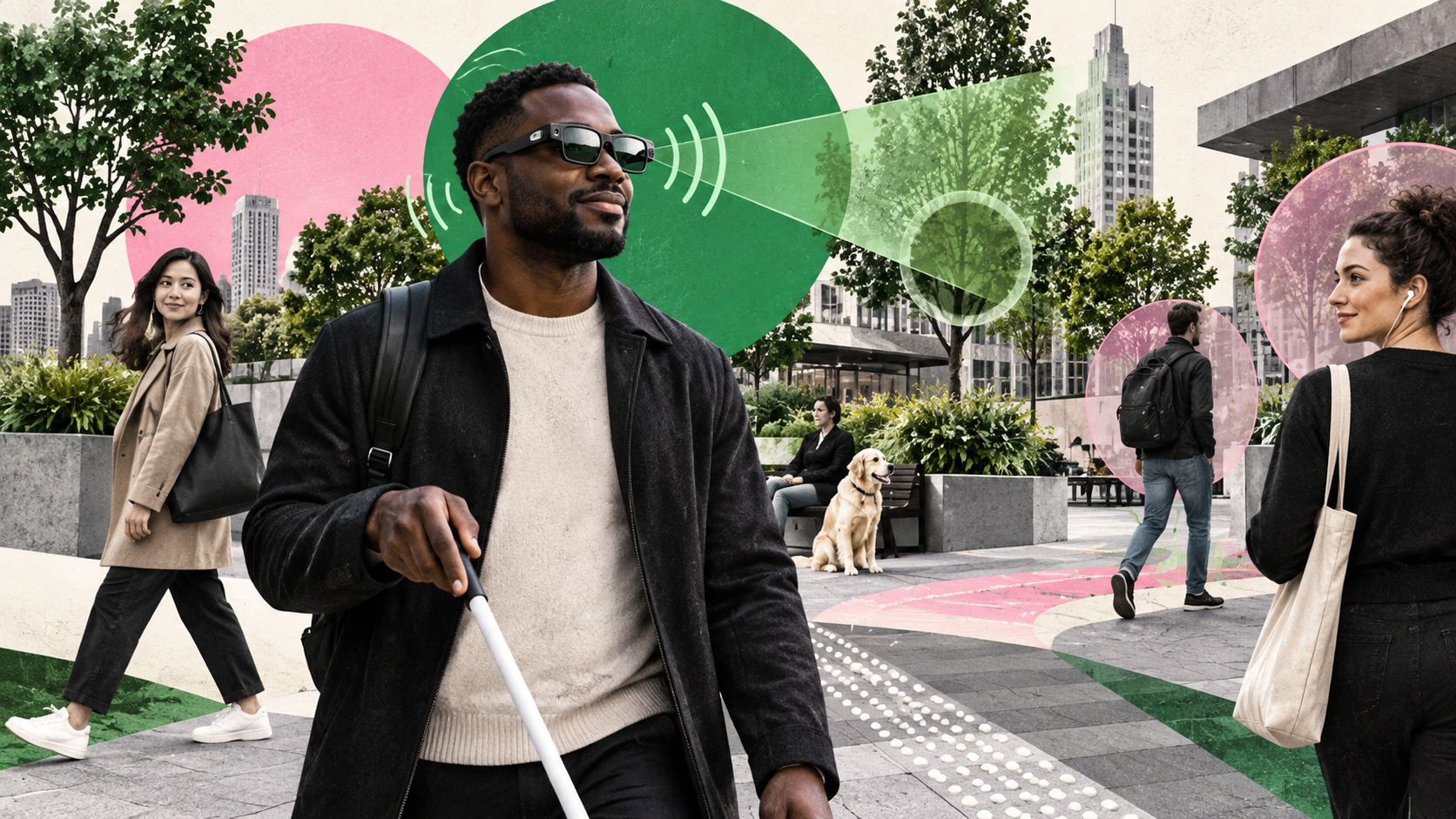
Editorial illustration of accessibility benefits and privacy boundaries around smart glasses.
The UK Information Commissioner's Office has called for a broader approach to smart-glasses governance as cameras, microphones, location services and AI become smaller, cheaper and easier to wear throughout the day.
Accessibility benefits and privacy risks coexist
The regulator describes how smart glasses can help people with low or no vision understand surroundings and access information. It has also worked through its sandbox with a smart-glasses project for people living with dementia.
Traditional notice can fail
Familiar transparency tools such as signs, visual recording cues and QR codes often assume that people can see them. Wearable devices make capture less obvious and complicate meaningful objection.
A practical test for NGO deployments
Before using wearable capture, organisations should minimise collection, document purpose and legal basis, test accessible notice, restrict onward sharing, define retention and involve affected communities.
The UK privacy regulator is gathering evidence on autonomous AI systems. Charities using agents should map permissions, data flows, human control and audit records before deployment.